There are some days when asking middle schoolers or high schoolers to sit quietly under fluorescent lights feels mean.
When it’s sunny and 70 outside, the energy changes. Attention spans disappear. Even the most focused students (and their teachers) start staring longingly out the window.
On days like this, sometimes the smartest classroom management strategy is simple:
Go outside.
Not for “free time.” Not for chaos. But for fresh air learning. The kind that keeps students thinking, discussing, writing, and engaging with content. Just not in their seats.
Students need movement. Older students still crave play. They still remember lessons better when those lessons feel connected to real experiences instead of just desks and screens.
Here are some of my favorite outdoor learning activities to use when the weather is too pretty to ignore.
Table of Contents
- Walk-and-Talk
- Jump Rope Poetry Challenge
- Figurative Language Hopscotch
- Literary Scavenger Hunt
- Nature Writing Challenge
- Grammar Basketball
- Reading Picnic
- Sidewalk Chalk Theme Walk
- Capture the Flag: Literary Edition
- Why Outdoor Learning Still Matters for Older Students
Pin this story to save it…
Walk-and-Talk
This is one of the easiest outdoor activities to implement because it requires almost no prep while still producing meaningful discussion.
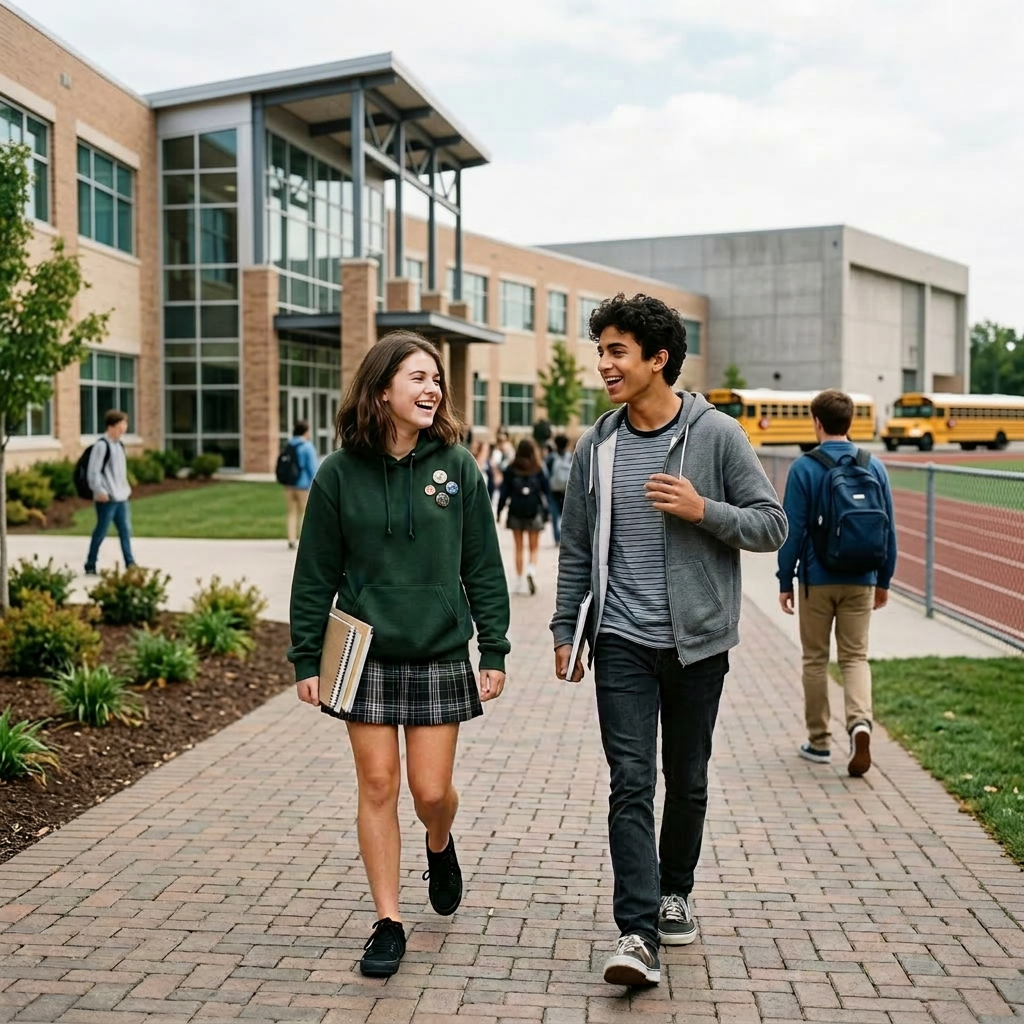
Pair students up and give them a discussion prompt connected to what is happening in class. Then let them walk laps with a partner outside the school building, while talking through their ideas.
The important part: students must return with something tangible.
Each pair carries one of the following:
- sticky notes
- a clipboard with loose leaf
- or a shared recording handout
Before coming back inside, partners must do one (or more) of the following:
- write one strong insight gained from the Walk-and-Talk
- summarize their partner’s thinking
- create a theme statement
- record a disagreement
- or write one lingering question
This works especially well for:
- book clubs
- Socratic Seminar prep
- debate prep
- CER brainstorming
- reflection questions
- pre-writing discussions
Many students speak more openly while walking side by side rather than sitting face-to-face. The movement lowers pressure and helps conversations feel more natural.
And because students return with written thinking, the activity remains academically grounded rather than becoming “just a walk.”
Jump Rope Poetry Challenge
Middle schoolers pretend they are too old for jump rope. Until someone hands them one.
Then suddenly everyone wants a turn.
In this activity, students work in small groups to create short rhythmic chants or jump rope rhymes connected to:
- figurative language
- vocabulary
- grammar rules
- novels
- literary themes
- or character traits
The rhythm helps students remember concepts far better than traditional review.
For example:
“Similes compare with like and as,
Metaphors move the meaning fast,
Hyperbole stretches truth all day,
Personification makes objects say!”
Groups perform their rhymes while classmates jump rope, clap rhythms, or vote on the most creative performance.
It feels ridiculous in the best possible way, which is exactly why older students buy into it.
This is also an awesome opportunity to introduce students to the history of Double-Dutch…
Figurative Language Hopscotch
This works surprisingly well with older students because it feels competitive instead of childish.
Create giant hopscotch boards outside using sidewalk chalk. Instead of numbers, each square contains a type of figurative language:
- simile
- metaphor
- hyperbole
- irony
- alliteration
- idiom
- personification
As students move through the board, they must create an original example before moving on.
Examples:
- Land on hyperbole: “My backpack weighs a thousand pounds.”
- Land on alliteration: “Busy bees buzzed by.”
- Land on personification: “The wind slapped against the windows.”
If students cannot create an example, they lose a turn, or another team can steal the point.
Adding challenge spaces makes it even better:
- “Create a metaphor about cafeteria food.”
- “Act out an idiom.”
- “Use irony in a sentence about school.”
Students become surprisingly competitive about figurative language when movement and public performance enter the equation.
Literary Scavenger Hunt
This works especially well near the end of the year when students need movement but still benefit from review.
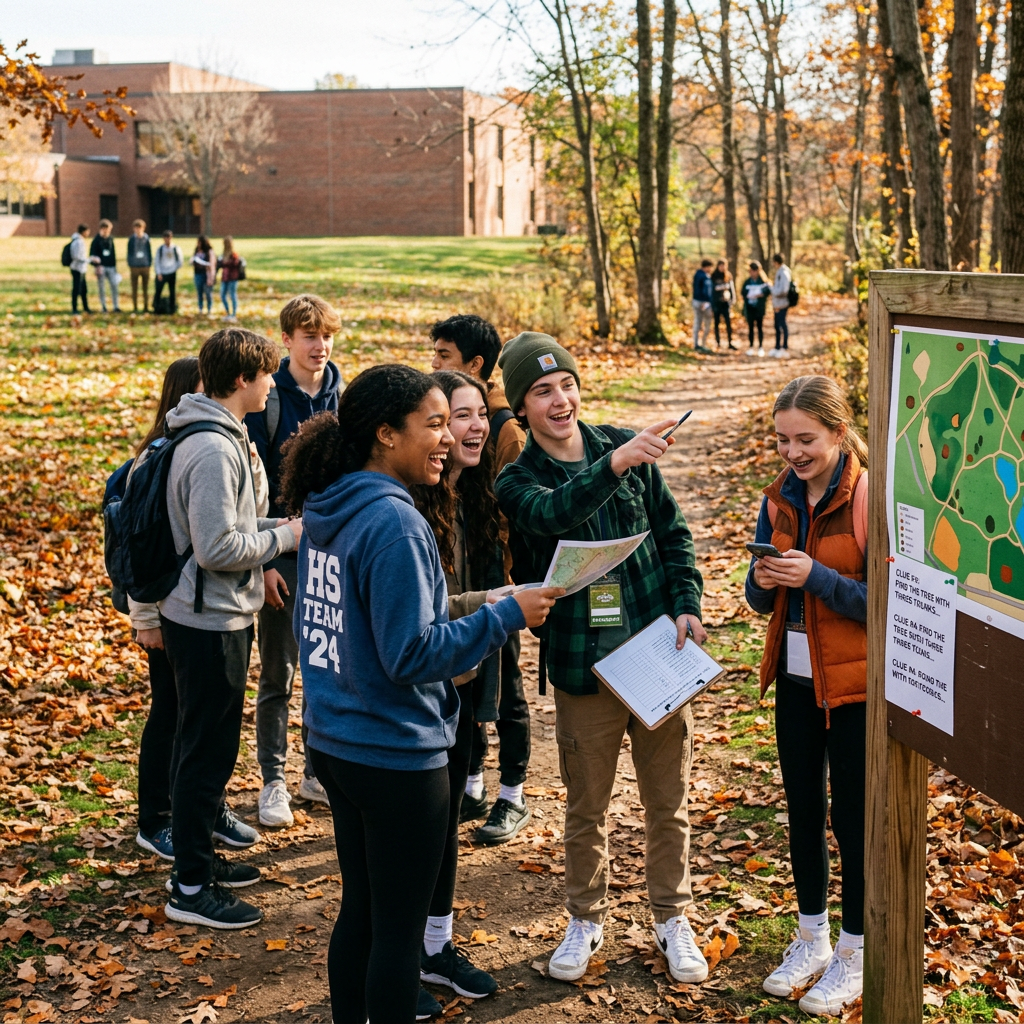
Hide clues around the school grounds connected to:
- novels
- literary terms
- grammar concepts
- vocabulary
- poetry
- or informational texts
Each clue leads students to the next challenge.
Examples:
- Identify the figurative language in a quote
- Match a quote to a character
- Solve a root word puzzle
- Find evidence supporting a theme
- Decode symbolism clues
- Identify tone or mood
Students move in teams and record answers on a shared sheet.
The physical movement keeps energy high while the academic tasks keep the activity purposeful.
Nature Writing Challenge
Sometimes students simply need a different setting to unlock stronger writing.
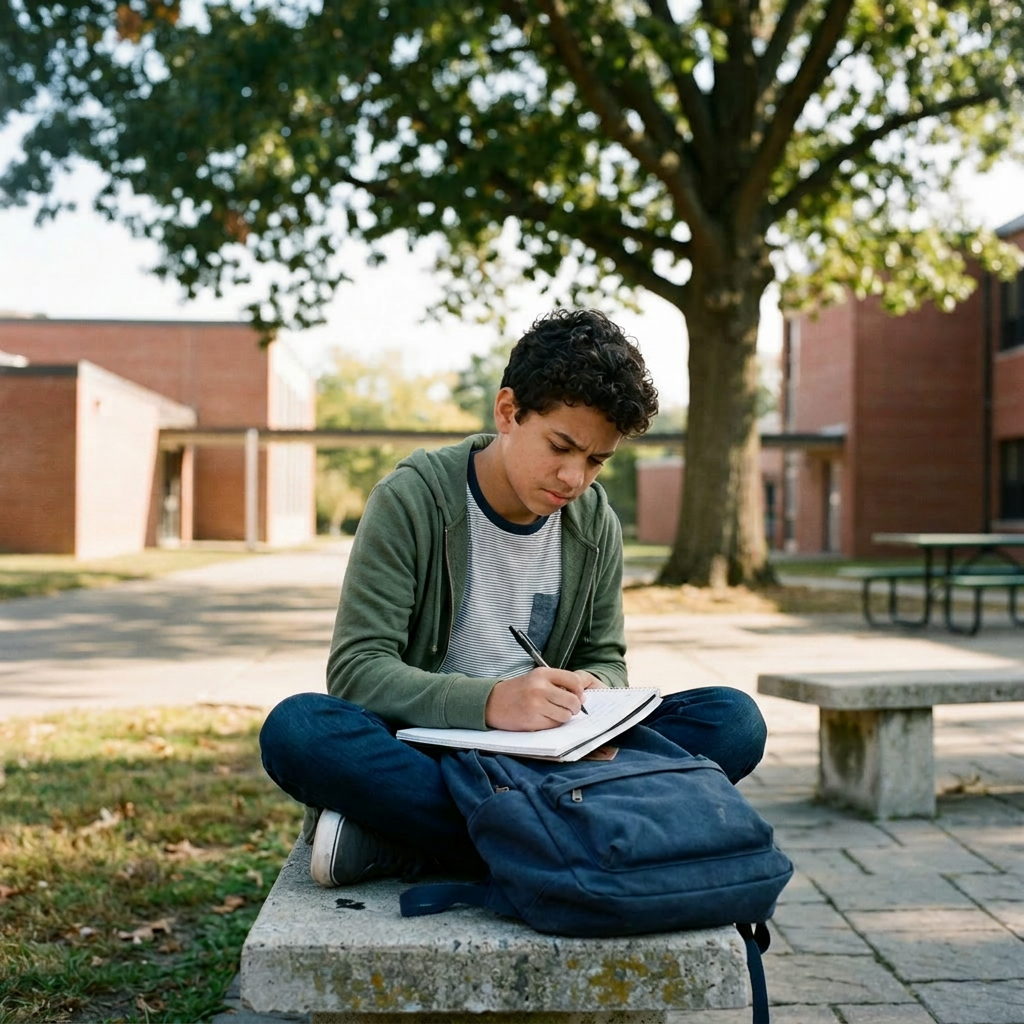
Take notebooks outside and give students short writing challenges inspired by observation and sensory detail.
Ideas:
- Describe the setting without using the word “beautiful”
- Write a suspenseful paragraph inspired by the woods or playground
- Create a six-word memoir about spring
- Write using all five senses
- Personify the weather
- Describe the setting like a novelist
Students who normally struggle with writing often produce stronger work outdoors because the environment gives them something immediate and concrete to notice.
The activity feels calm, creative, and low-pressure while still building descriptive writing skills.
Grammar Basketball
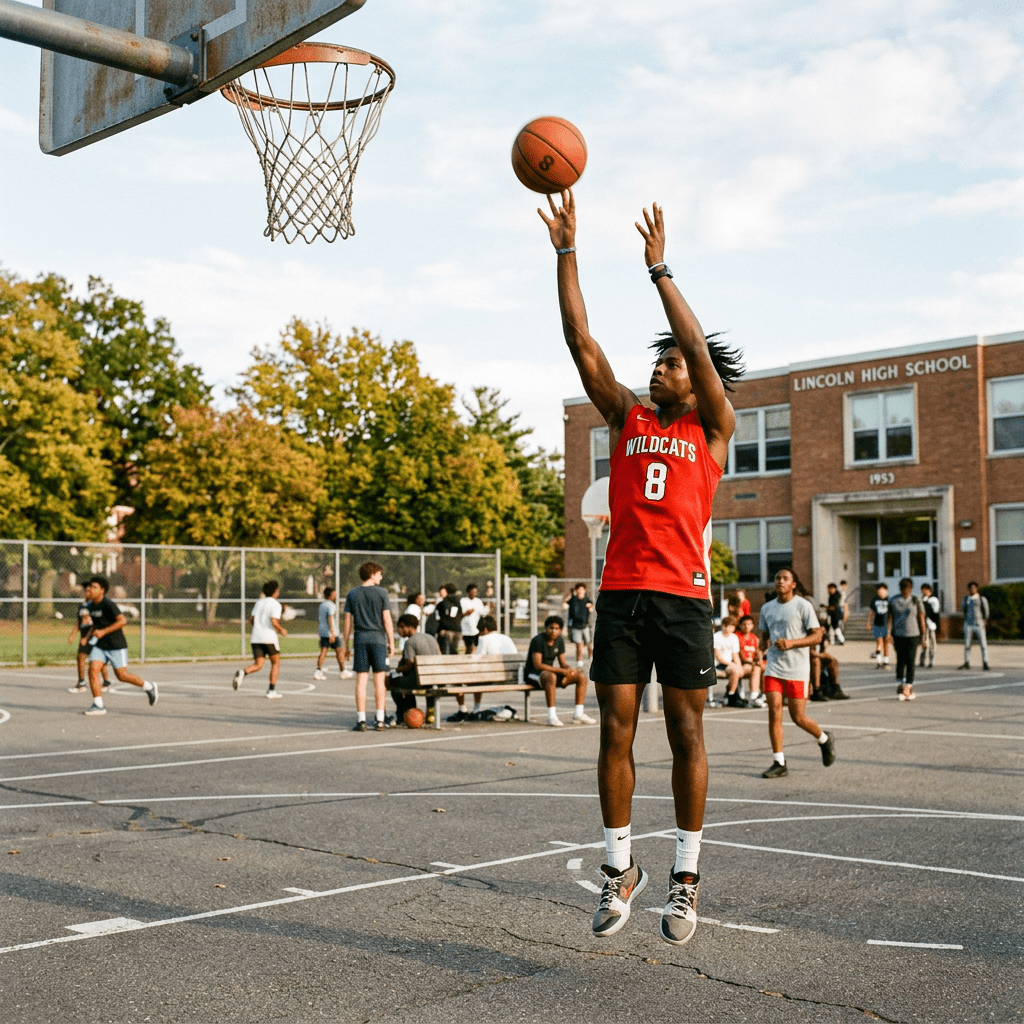
Grammar review instantly becomes more exciting when basketball enters the picture.
Set up shooting stations outside with grammar questions attached to each spot.
Students:
- fix a sentence
- identify an error
- revise punctuation
- or correct grammar mistakes
Correct answer?
Take the shot.
Missed comma splice?
Back of the line.
This works especially well for:
- fragments
- run-ons
- comma rules
- subject-verb agreement
- pronoun agreement
- verb tense consistency
Even reluctant students become invested when grammar earns shooting privileges.
Reading Picnic
Not every outdoor learning activity needs to be loud.
Sometimes students simply need a quiet change of scenery.
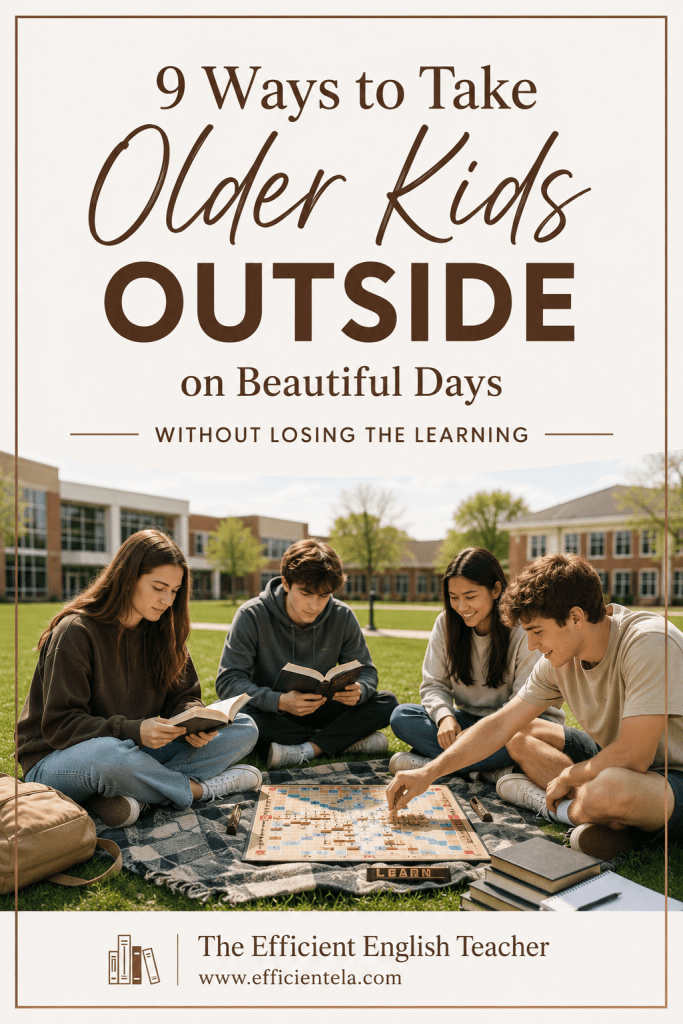
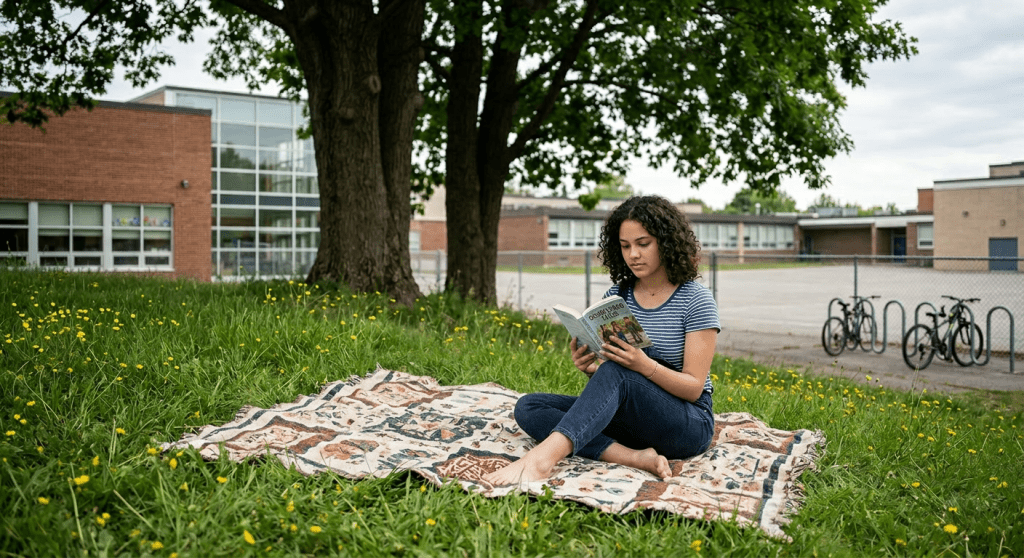
Bring blankets, towels, or clipboards outside and allow students uninterrupted reading time in the grass, on bleachers, or under trees.
To keep accountability:
- students complete reading trackers
- record favorite quotes
- annotate
- respond to prompts
- or complete short reflections afterward
Independent reading outdoors often lasts longer and feels more focused because students associate the environment with freedom instead of structure.
It turns reading into something students experience instead of simply complete.
Sidewalk Chalk Theme Walk
This activity combines movement, creativity, and literary analysis.
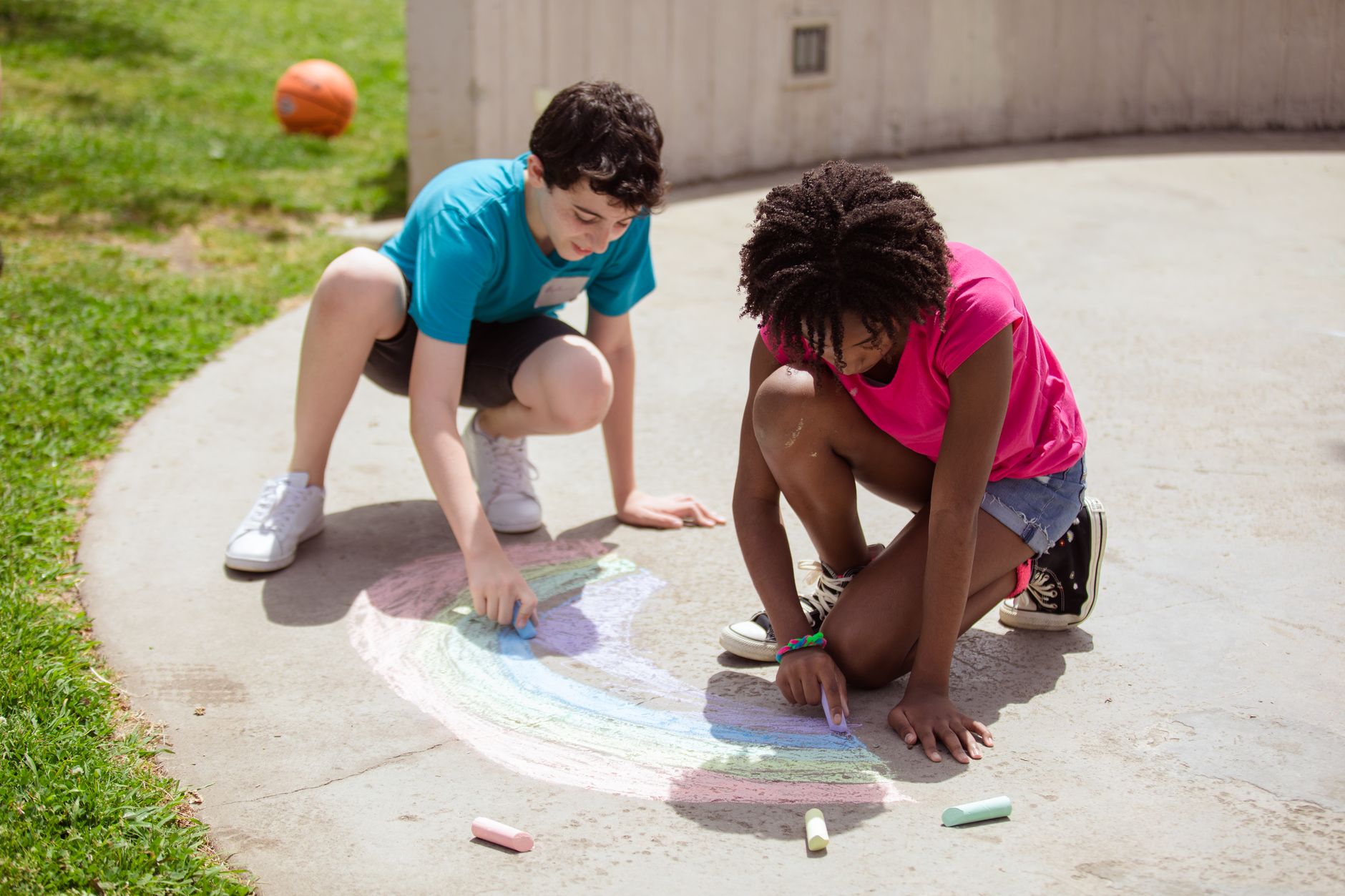
Give students sidewalk chalk and assign a theme, conflict, or symbol connected to class reading.
Students create:
- theme statements
- symbolic drawings
- important quotes
- visual metaphors
- or representations of character conflict
Then students walk around gallery-style discussing each other’s work and leaving written responses or sticky note feedback.
This works especially well for:
- dystopian novels
- symbolism analysis
- character arc discussions
- poetry themes
- social issues in literature
The outdoor setting makes the activity feel less formal while still producing meaningful analysis.
Capture the Flag: Literary Edition
This is complete chaos if not structured correctly.
It is also one of the most memorable review activities students will do all year.
Divide students into teams and assign each side something connected to class content to protect:
- symbolism
- theme
- character arcs
- literary devices
- “the sacred classroom stapler”
To cross into enemy territory or steal the opposing team’s item, students must complete academic challenges first.
Examples:
- answer a vocabulary question
- identify figurative language
- explain a character’s motivation
- provide evidence for a theme
- revise a grammar sentence
Correct answer?
Advance.
Wrong answer?
Return to base.
The activity combines movement, strategy, competition, and review all at once.
And yes, middle schoolers will absolutely sprint across a field protecting symbolism with their entire soul.
Why Outdoor Learning Still Matters for Older Students
Older students need movement just as much as younger kids do.
Taking learning outside changes the classroom energy almost instantly. Students talk more naturally, collaborate more easily, and often participate more willingly.
Some of the best classroom memories happen on the days when teachers decide flexibility matters more than perfect lesson plans.
Sometimes learning looks like notebooks in the grass, chalk-covered sidewalks, and eighth graders arguing passionately about irony while standing in a hopscotch square.
 The Efficient English Teacher
Leave a comment